Archive

Sector: Healthcare

Health Concerns: The public is flirting with virtual healthcare – what will it take to convince them?

  |   By  |  0 Comments

The public is flirting with virtual healthcare – what will it take to convince them? Grayling’s Head of Health, Kathryn Ager, explores the latest developments.

While virtual health consultations existed well before COVID-19, like many other technologies that minimise the need for face to face interaction, their usage has soared over the past six months.

The Secretary of State for Health and Social Care, Matt Hancock, is a big fan.  At the end of July he declared that all GP consultations should be ‘remote by default, unless a patient needs to be seen in person’.  And there’s no doubt remote consultations provide many patient benefits such as convenience and efficiency, especially when it comes to routine appointments.

However, it seems there is still some way to go until the public fully embraces this new way of accessing healthcare.  Just recently the Daily Mail reported that almost two thirds (65%) of people were either ‘very concerned’ or ‘quite concerned’ that telephone or video consultations were not as thorough as face to face appointments and might risk missing serious conditions.

Our own survey carried out this summer echoed that sentiment.  We found that while more than a third (39%) of people were happy to access healthcare remotely for common conditions, this fell to just 12% for unusual signs and symptoms, such as a suspicious lump.

This pattern was repeated when it came to meeting hospital consultants (62% preferring face to face), getting blood test results (61%) and accessing physical therapies, such as speech therapy (53%).  In contrast, people of all ages were generally more comfortable accessing sexual health services or treatment for stress related conditions such as insomnia, remotely.

While technology is less of a barrier than in the past it can still present challenges, particularly for older audiences, who represent the largest patient pool. Our survey found that 17% of people aged over 55 still do not feel confident enough to use remote technologies for their healthcare. And even younger audiences expressed concerns, albeit for different reasons, with just over a fifth (21%) of 16-24s saying they don’t trust apps to keep their data secure.

It’s likely that a hybrid model combining virtual with face to face will be the new normal.  But will more need to be done to persuade people to place their trust in technology platforms which are evolving all the time?  Previous Governments have shied away from pushing the technology and health agenda too hard.  Several large-scale IT projects have been fraught with controversy and fatally damaged by data privacy campaigners.

However, with the advent of COVID-19 times have changed.  In its first weekend of operation more than 10m people downloaded the new NHS Track and Trace app, evidence perhaps of a fundamental shift in attitudes.  Only time will tell if COVID-19 has changed our view of technology and health for good.  But if we do still need some final reassurance, there might never be a better time for a campaign that excites people about the potential and provides confidence through real life experiences to nudge people over the line.
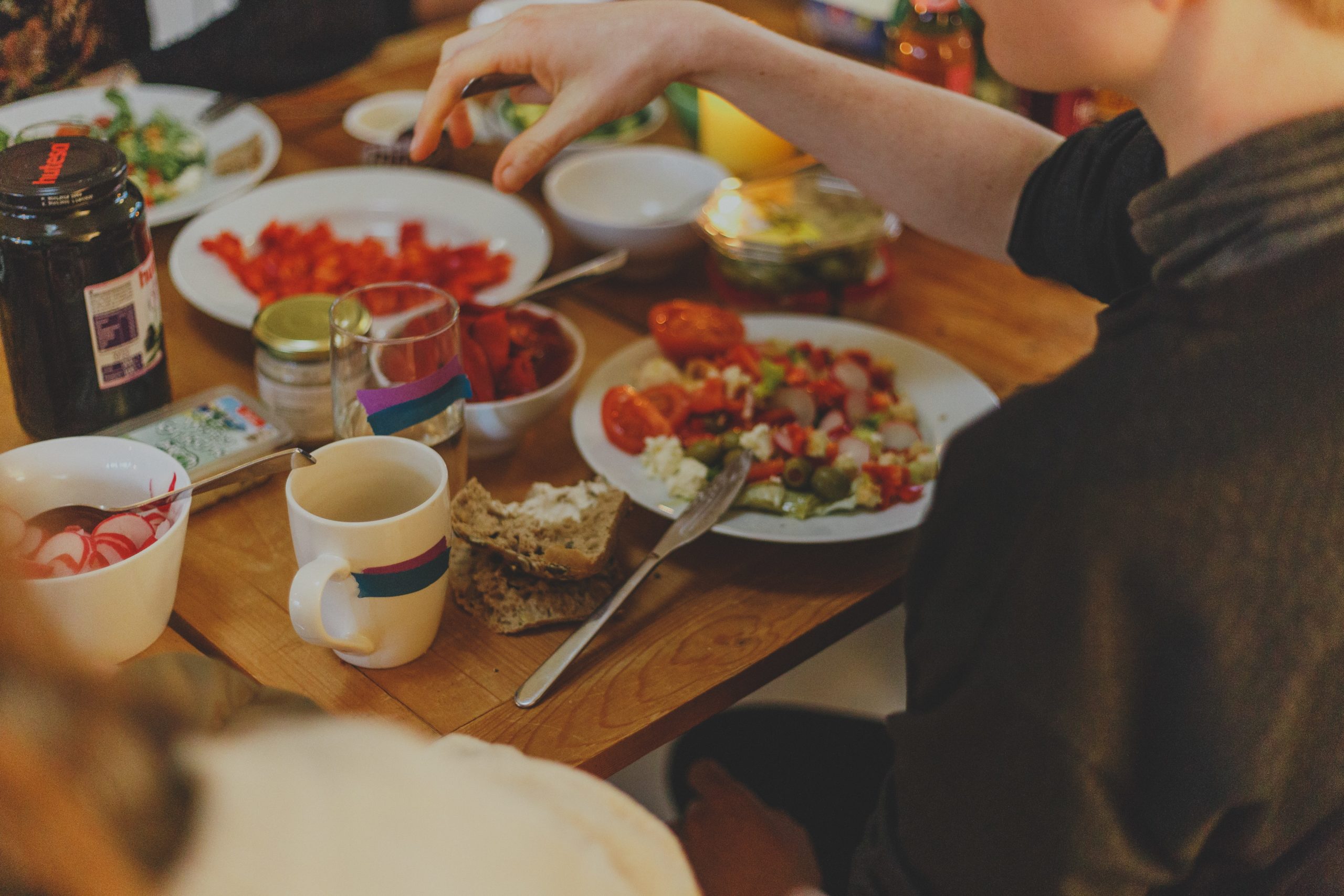
A public appetite for change: could COVID-19 trigger a positive national conversation on obesity?

  |   By  |  0 Comments

The furore caused by the Royal College of GPs and its labelling of COVID-19 as ‘a lifestyle disease’, reported in the Times yesterday, raises some interesting questions. Kathryn Ager, Grayling’s Head of Health, shares her thoughts.

So far, the evidence indicates that if you have diabetes, heart disease, kidney disease or certain cancers and you contract COVID-19, your chance of a worse outcome is increased. Evidence also shows that most, albeit not all, of these conditions are in some way linked to lifestyle, many linked directly to being overweight or obese. The European Centre for Disease Prevention & Control found that almost three quarters of critically ill patients in Italy, Spain, Sweden, Switzerland and the Netherlands were obese. In the UK, which already ranks among the highest in the world for obesity rates, being obese doubles your risk of death from COVID-19.

The exact reasons for this are unknown. It is thought that obesity may weaken the immune system; the World Obesity Federation has also suggested that obese patients are more difficult to intubate and put through diagnostic imaging (as there are weight limits on imaging machines). They are also more difficult to position and transport and health systems are not generally well set up to manage patients with obesity.

So should obesity now be considered an underlying health condition? I am certainly no doctor, but it seems to me that the evidence points to that, in relation to COVID-19. And, more importantly, it seems the public might be starting to think the same. This is hardly surprising when, for the first time, instead of simply reading about the potential dangers of obesity, people witnessed its impact on friends and loved ones during COVID-19, with many people often only in their 50s and 60s requiring hospital treatment after contracting the virus.

There was no higher profile example of this than the Prime Minister himself. At the age of 55, 5’9” and estimated to be around 17 stone, but otherwise fit and well, he turned out to be a perfect candidate for COVID-19. Post hospitalisation, it seems the PM realised this too, concluding his excess weight had played a major part in his inability to cope with the virus and exhorting others, “Don’t be a fatty in your fifties.” Since then, he has embarked on a strict exercise and healthier eating programme (including early morning PT sessions and press ups) to lose weight.

Of course, there are many other factors at play when it comes to better understanding what causes someone to experience serious complications from COVID-19. Obesity is just one of many contributing factors that researchers are looking at right now to help improve treatment in future. But given what we already know, tackling obesity will be key.

So what can corporates do to harness this changing public mood? Whether you’re a food manufacturer, town planner or leisure chain, we all have a part to play in helping address this societal challenge. Given successive Governments have found this a tough nut to crack, no doubt the current administration will welcome with open arms any thoughts that industry brings to the table over the coming months.

Perhaps for the first time in many years, there is public appetite to make tangible changes that will have a practical impact on reducing obesity levels, or at least ‘flattening the curve’. As we emerge from lockdown, which for many people has been a period of enforced physical activity and increased calorie consumption, this may be the best chance to finally press the reset button and create a healthier and happier society for all.